He Built a Tiny House Inside a Massive Greenhouse
What would it be like to live inside a greenhouse?
For Rainer, this idea has been in the back of his mind for decades. While working in the Netherlands in the early 1980s, he first heard about someone living inside a greenhouse. The idea stuck. Over the years, as he built a career in horticulture, it slowly evolved into something he wanted to try for himself.
Now, on a small block in Tasmania, he’s done exactly that.
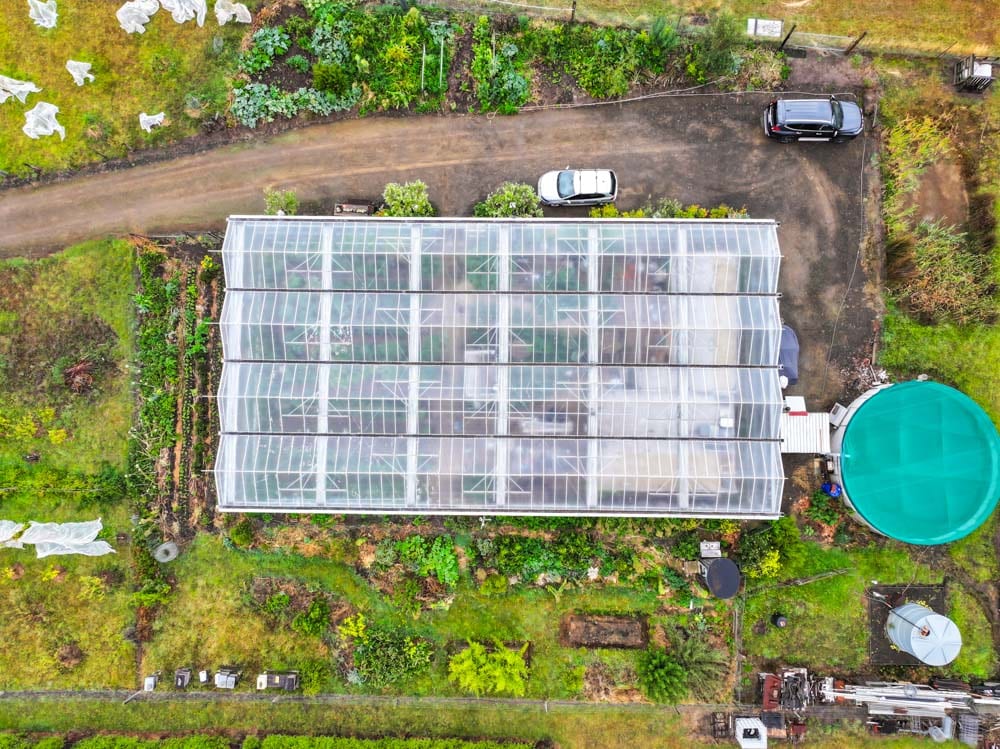
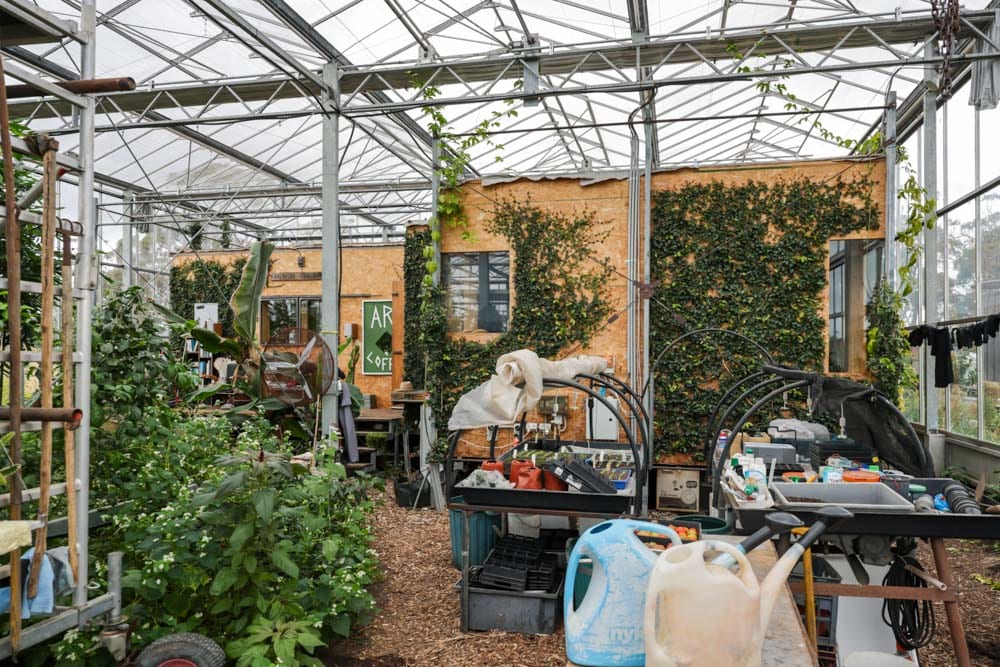
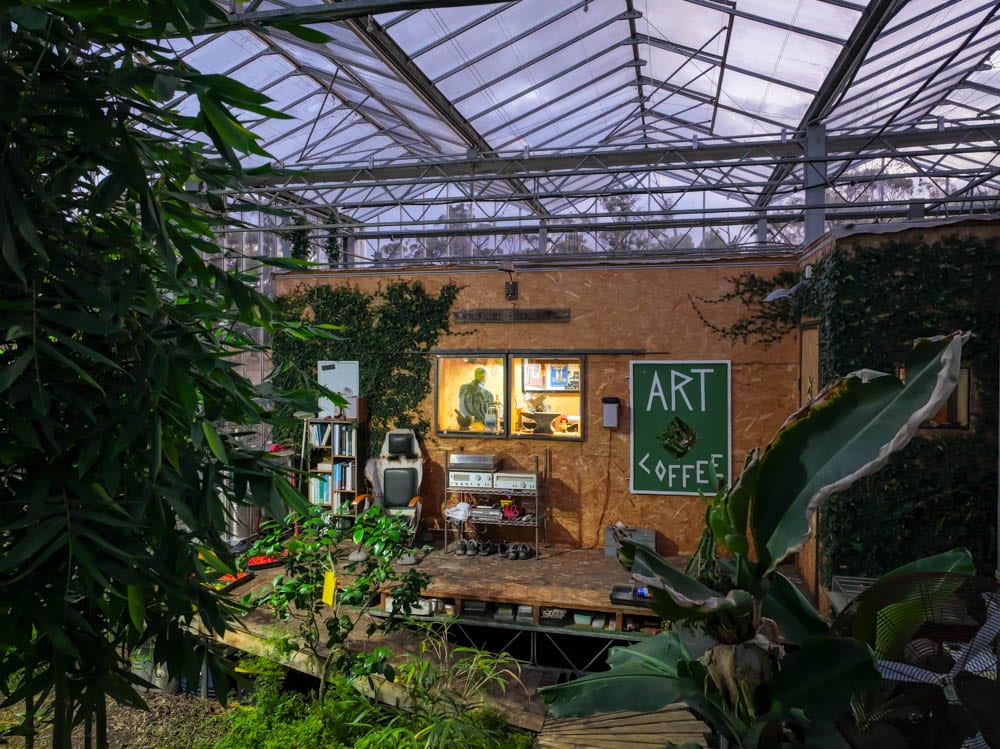
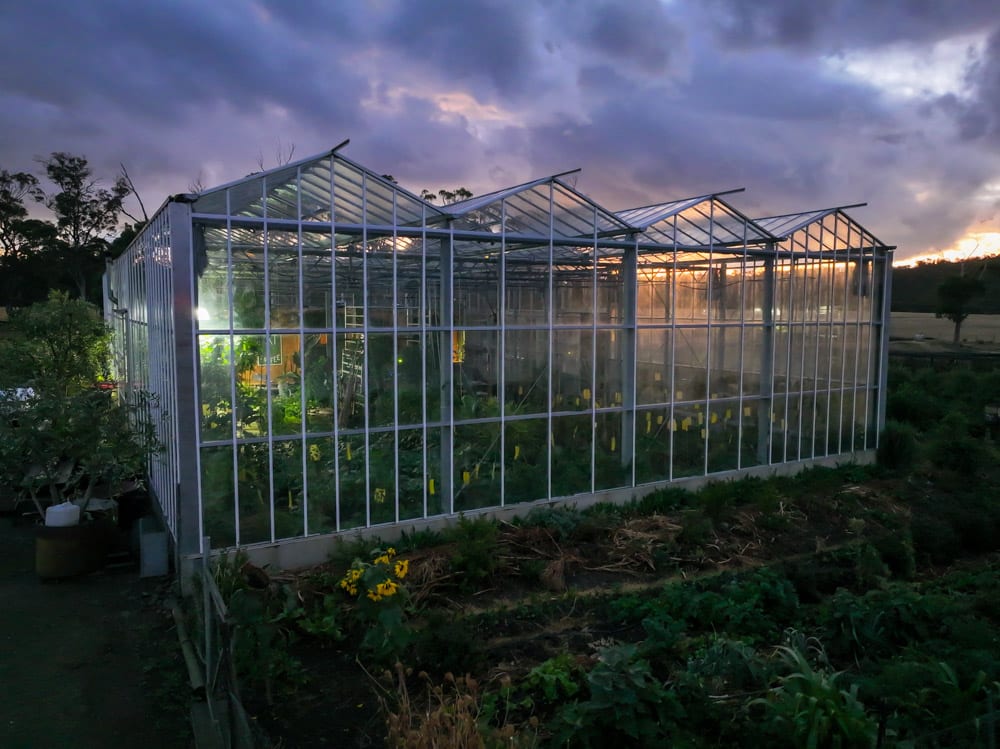
At the centre of a 300 square metre commercial greenhouse sits his tiny house. Around it, a productive garden supplies vegetables, herbs and seasonal crops. This isn’t just a place to live. It’s also where he grows food and earns an income, supplying produce to a local restaurant.
Rainer has been working with plants for more than 45 years, and that experience shows in how everything here is set up. The greenhouse isn’t just a shelter for plants. It creates a controlled environment that makes living here more comfortable as well. Even on cold or wet days, it’s possible to sit inside surrounded by greenery in a stable, protected space.
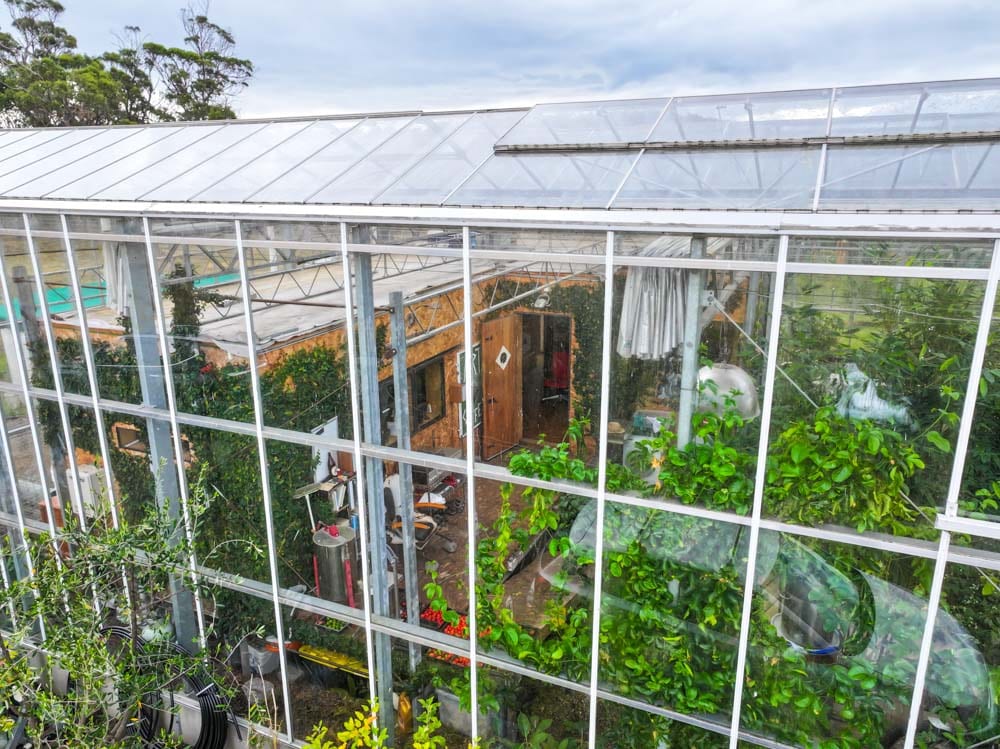
The house itself has been designed to work within that environment. It’s highly insulated, with careful attention paid to managing condensation and temperature. The goal was to make sure moisture doesn’t build up inside the walls, which can be a risk when living in a greenhouse setting.
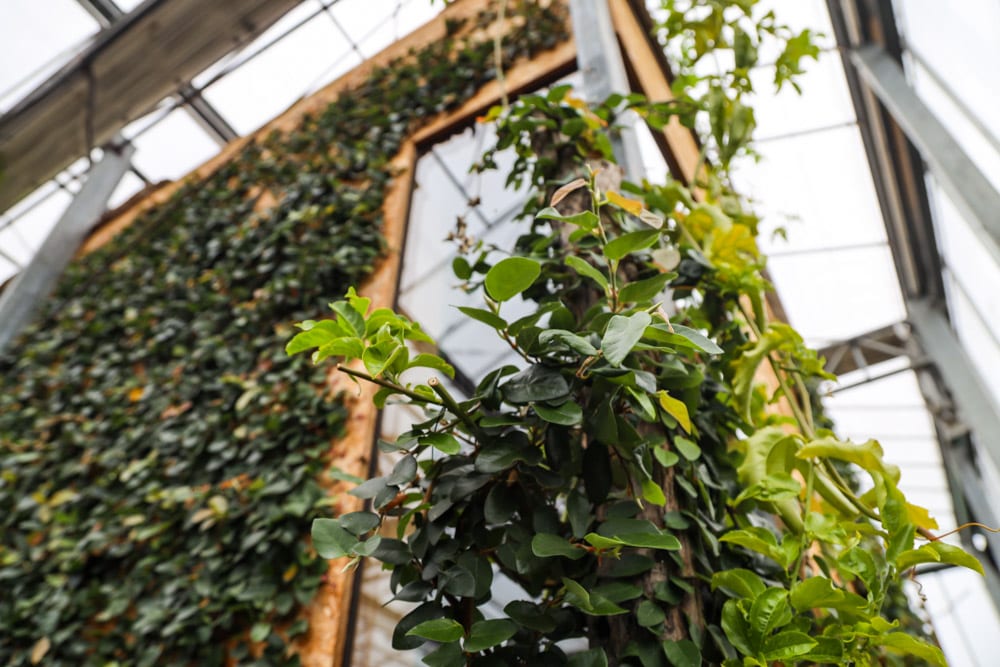
One of the more interesting features is the use of climbing plants on the outside of the house. These provide shade and help regulate temperature, while also adding another layer to the structure. Over time, the plants will continue to grow and integrate further with the building.
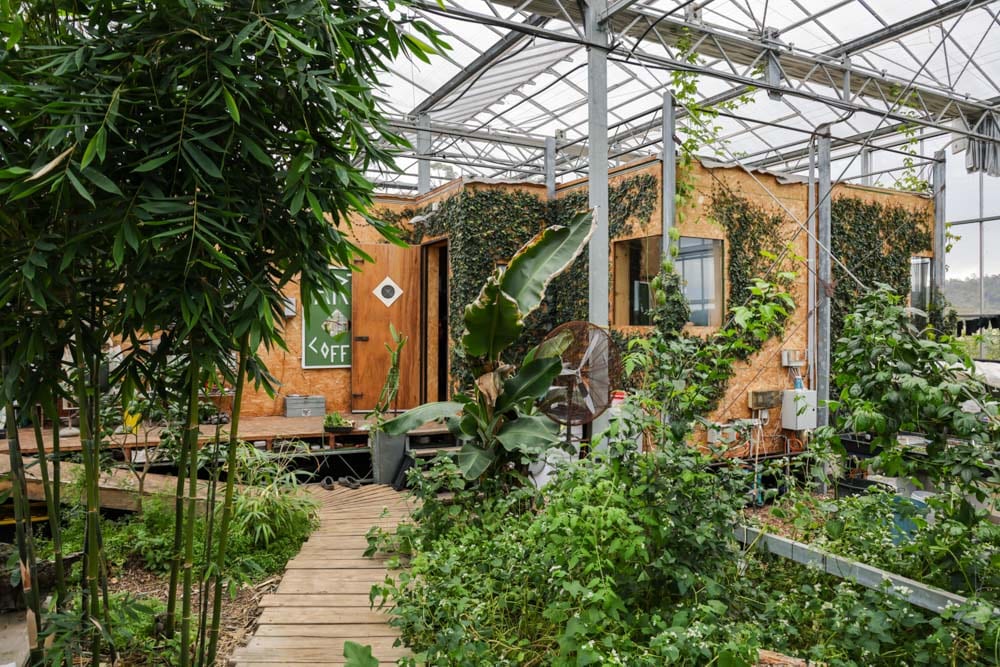
Living this way also changes the day-to-day experience of a home. Instead of stepping outside into a separate garden, Rainer is already in it. The greenhouse becomes an extension of the house, and the house becomes part of the garden.
The setup is simple, but it works. With most of the infrastructure already paid for, Rainer is able to live on a relatively low income. He grows much of his own food, supplements it with fishing and hunting, and trades where needed. It’s a different way of living, but one that suits him well.
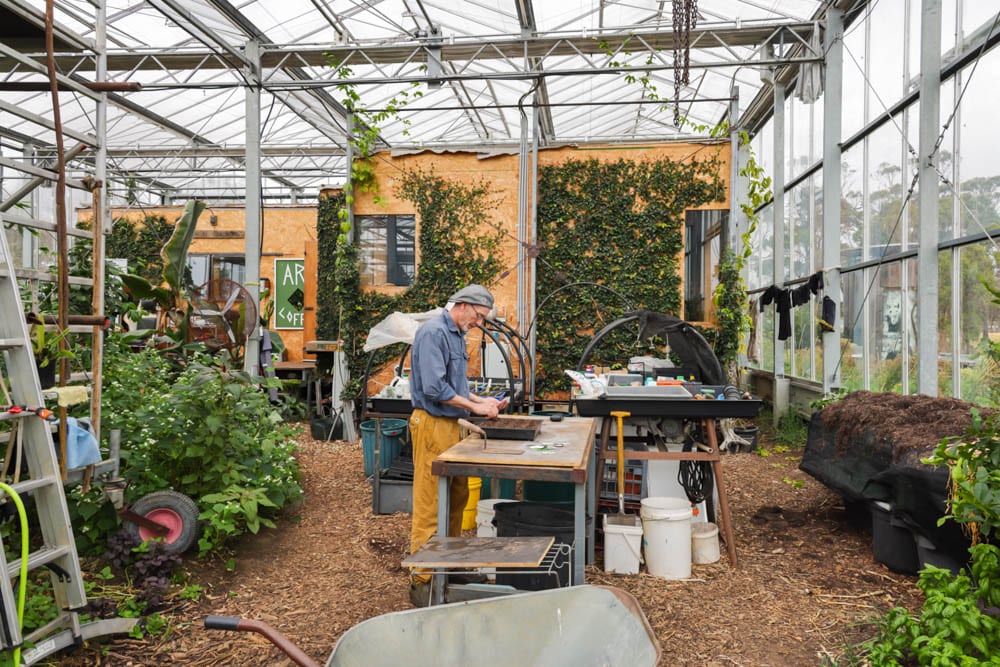
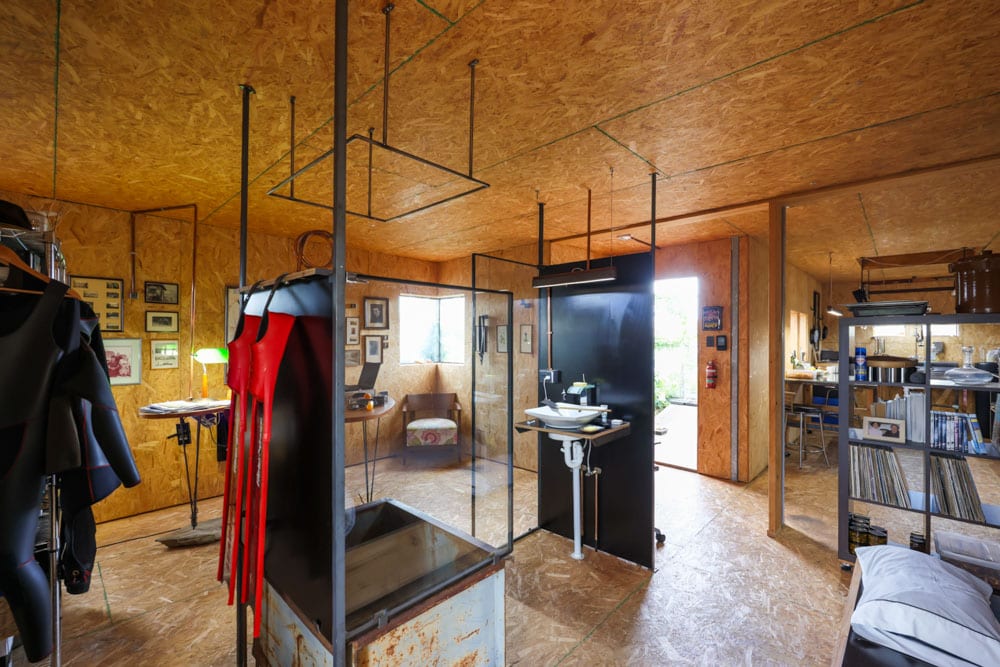
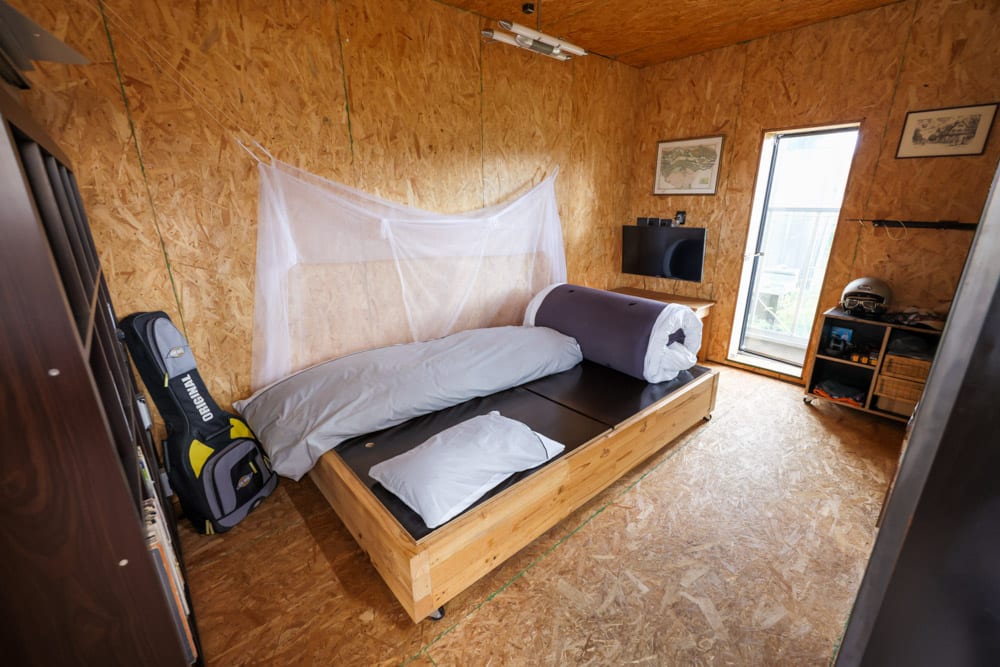
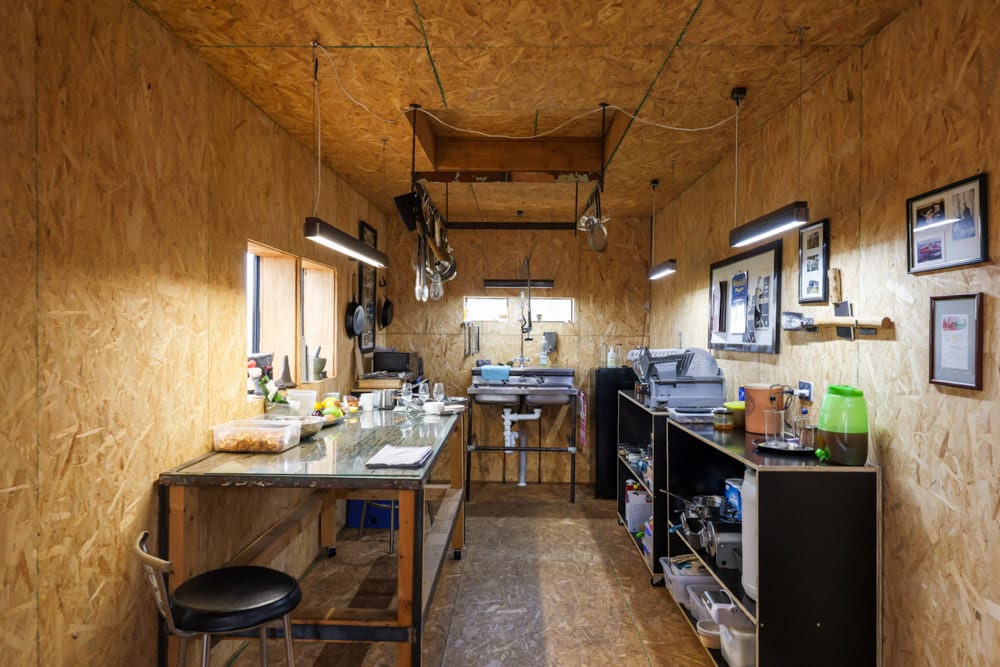
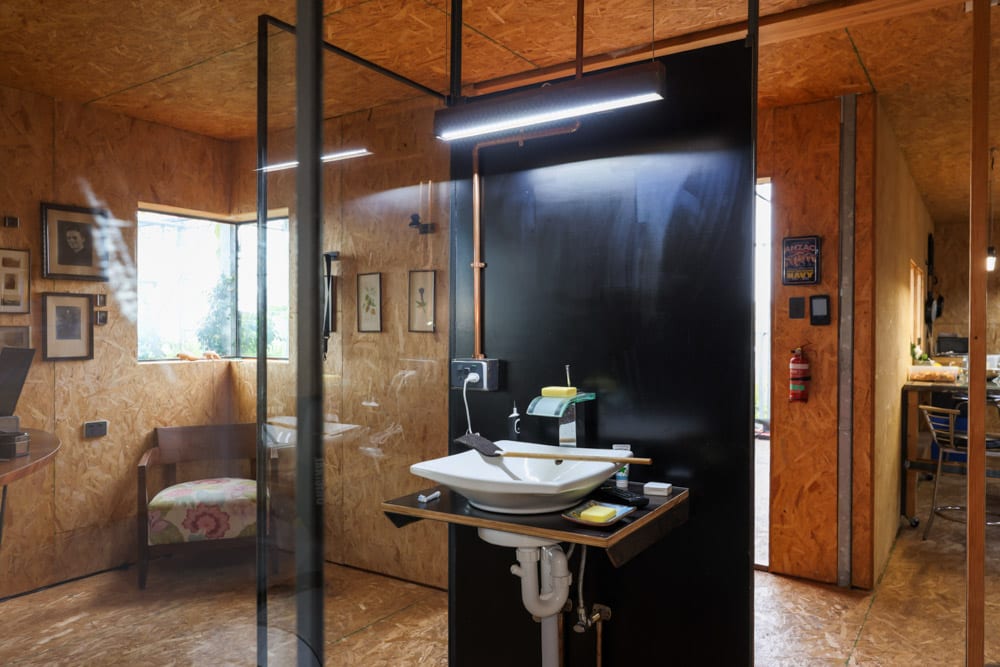
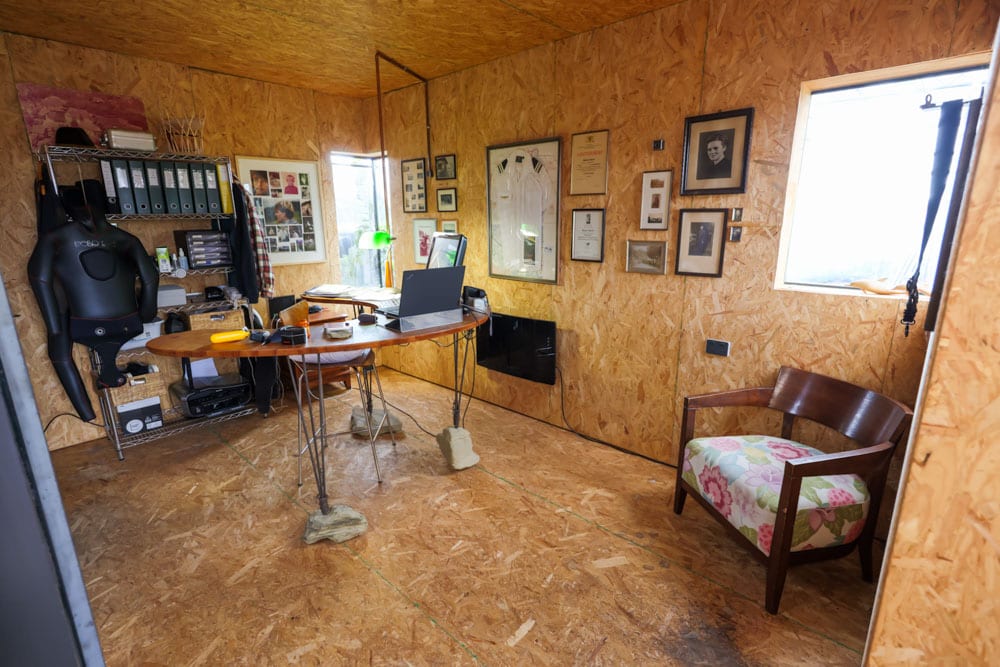
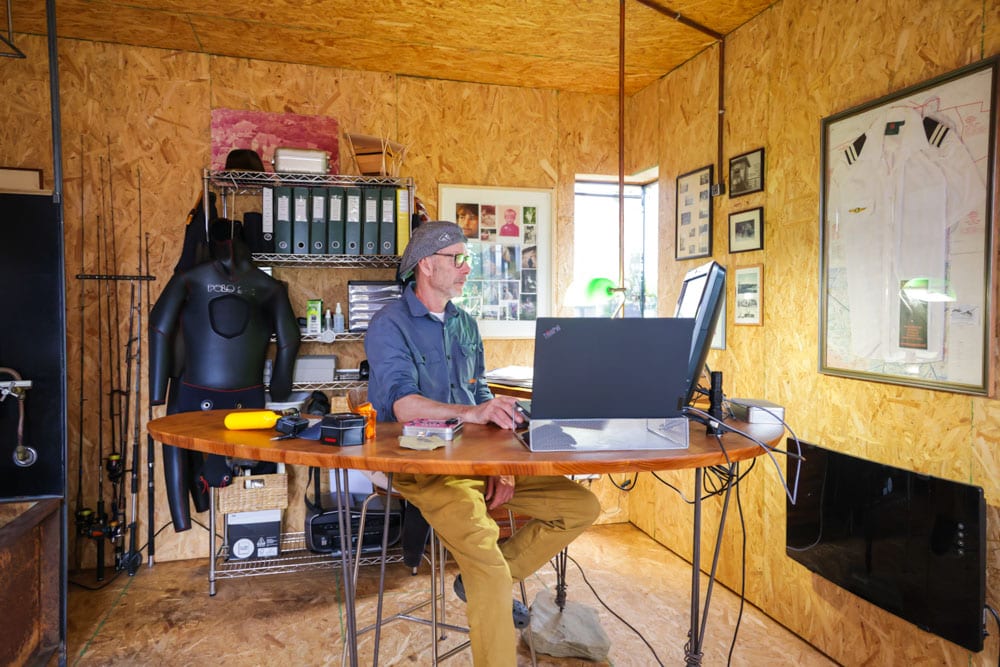
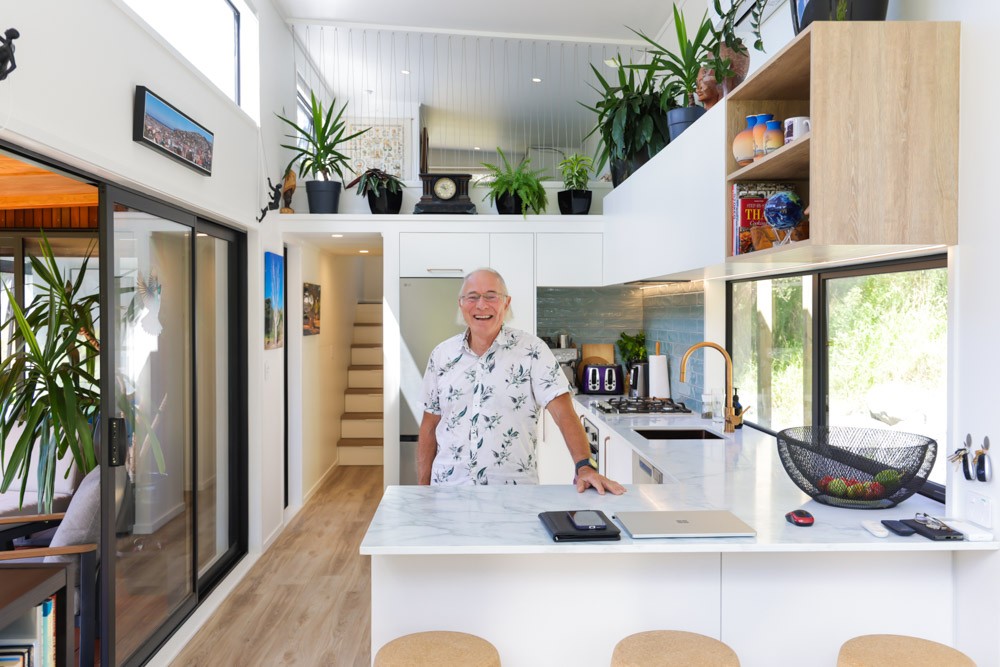
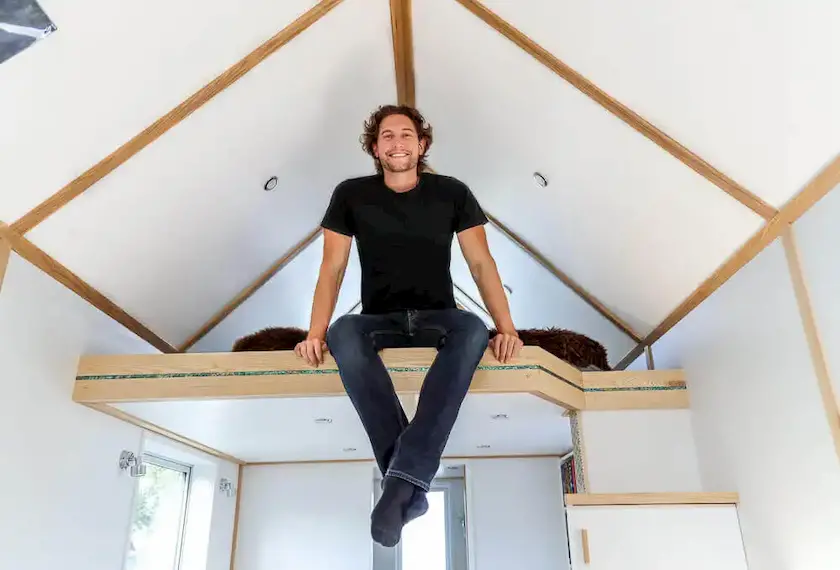
Inside, the tiny house reflects the same practical approach. Much of the furniture has been made by hand, often using reclaimed materials. The layout is flexible, with elements on wheels that can be moved depending on how the space is being used.
There are plenty of unconventional details throughout. The shower is simple and open. The oven can be rolled outside to keep heat out of the house in summer. The toilet is located separately. None of it is complicated, but it all makes sense within the context of how he lives.
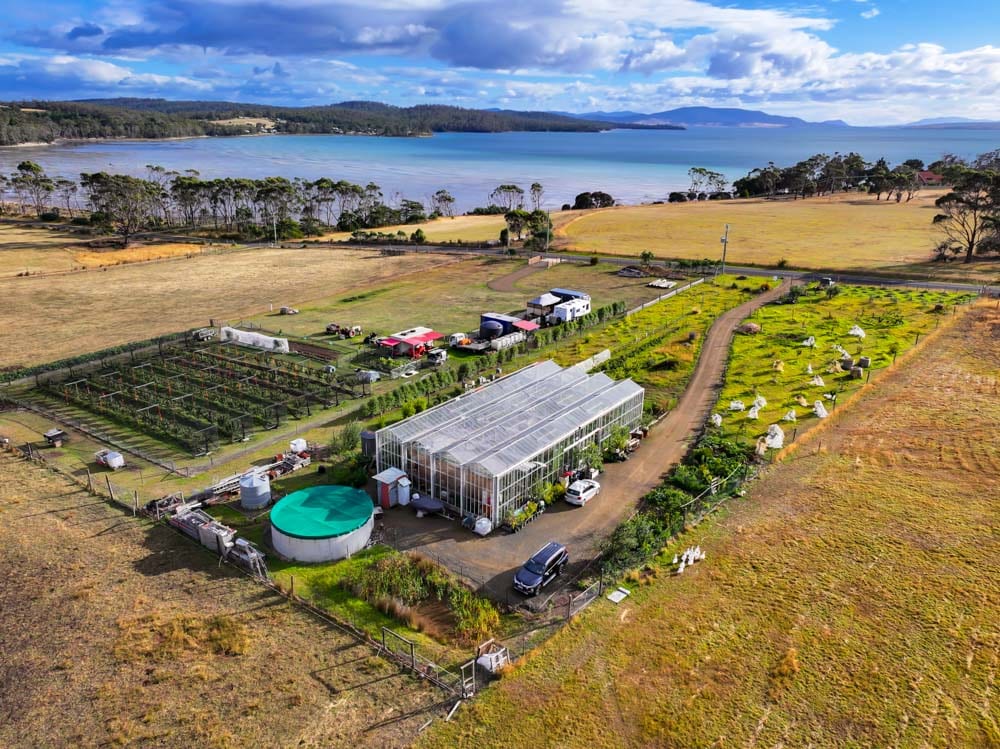
The greenhouse itself was imported from the Netherlands, packed into a shipping container and assembled on site. At over 300 square metres, it provides more than enough space for both the house and the surrounding garden.
What stands out most about this project is not any single feature, but how everything works together. The house, the greenhouse, and the garden are all connected. Each part supports the others.
It’s a straightforward idea, carried through with a lot of experience behind it.