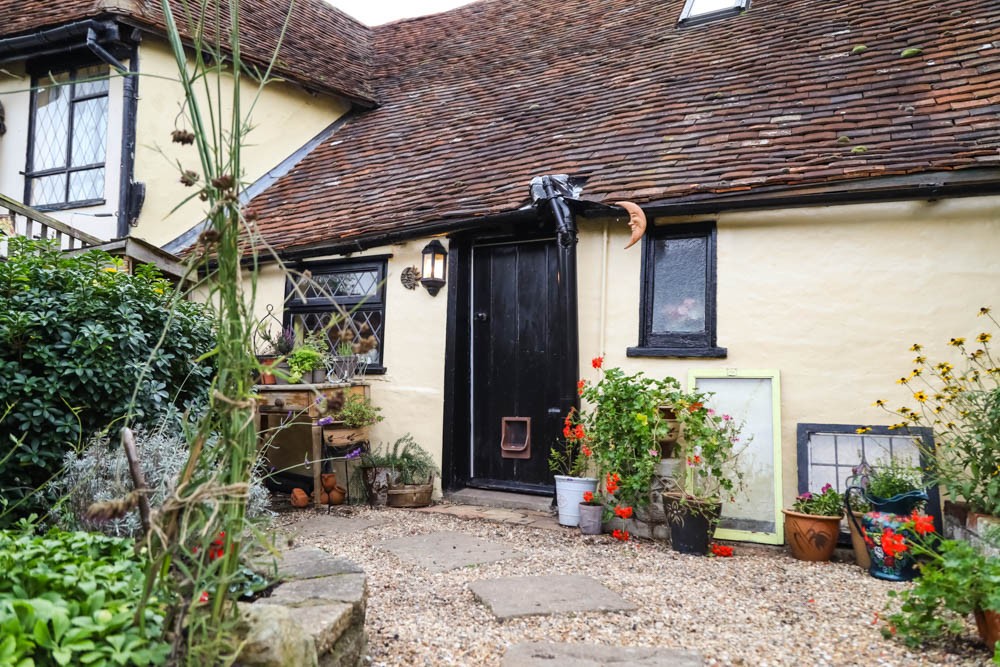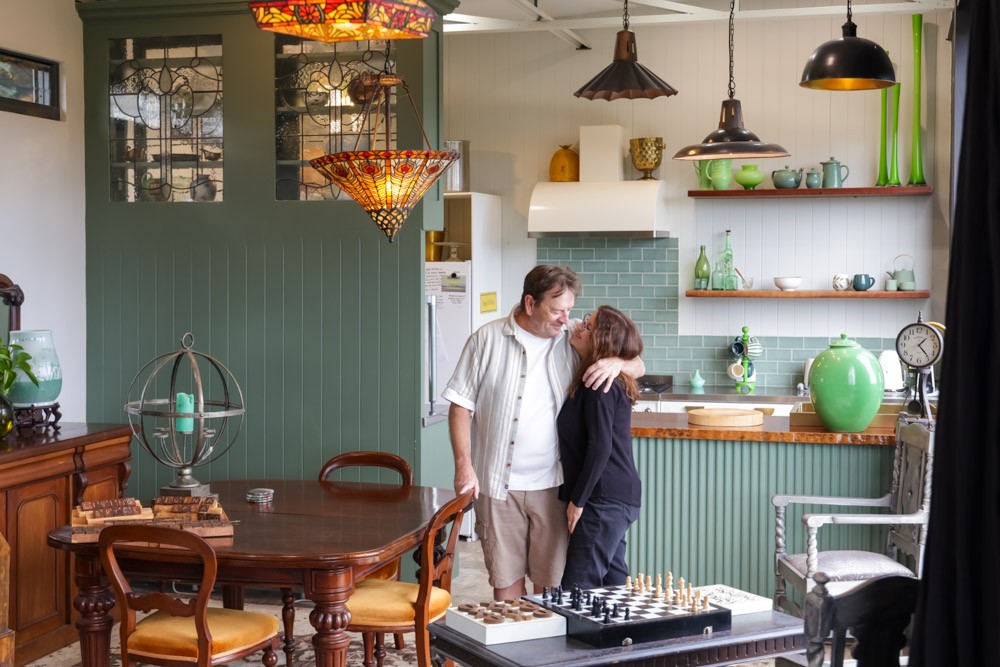
A Forgotten WW2 Prefab Home Transformed into an Off Grid Haven
There is something deeply moving about stepping into a home that carries the weight of history. Post war prefab houses were never intended to last long. They were built quickly in the years after World War Two to answer an urgent need for housing. Families who had lost everything in the bombings needed safe shelter, and returning servicemen needed a place to rebuild their lives.156,623of these simple structures were built across the United Kingdom between 1945 and 1951. Only a small number remain today.
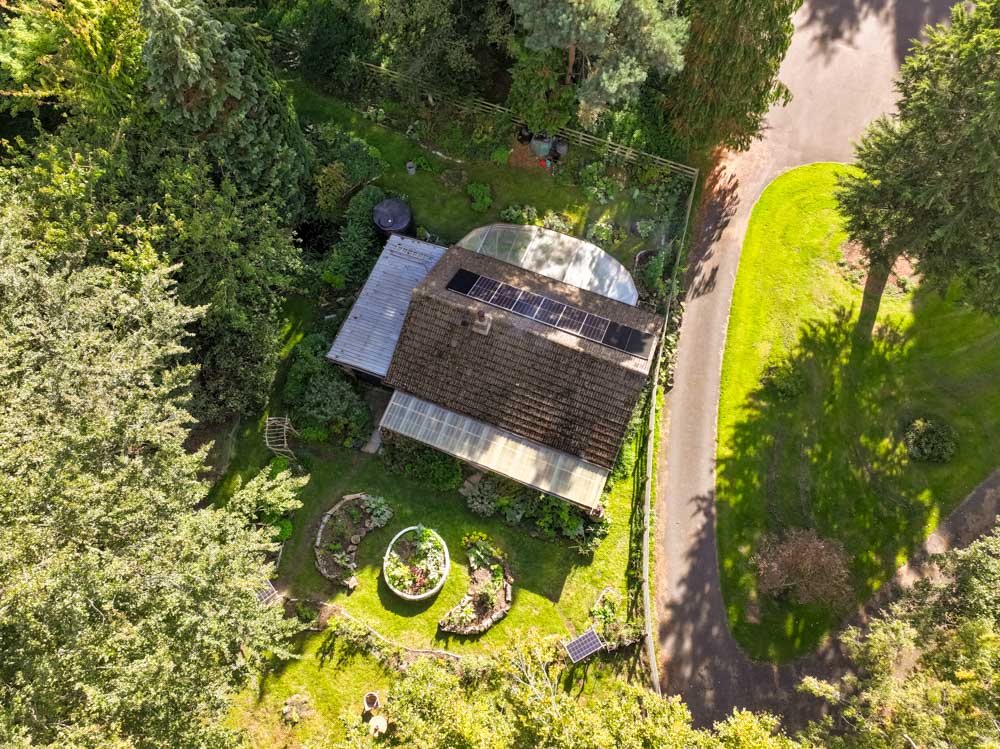
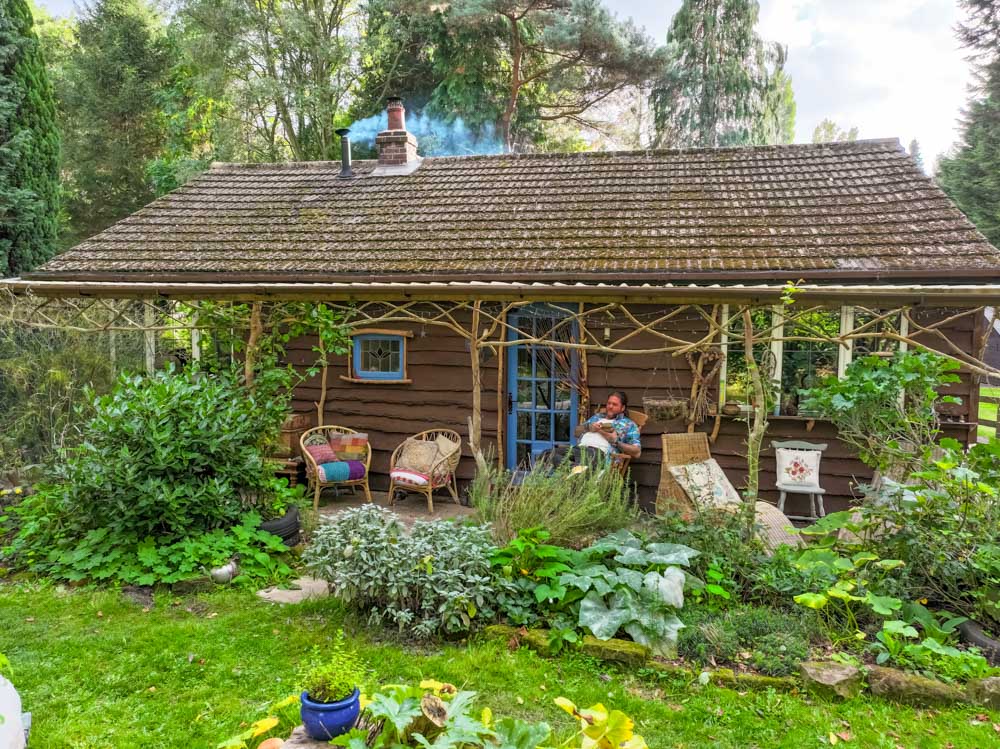
In this story, we visit one of these rare survivors. Once a temporary house created out of necessity, it has now been transformed into a warm, character rich off grid haven. The original structure is still present, yet the feeling of the home today could not be more different. What began as a modest wartime dwelling has become a peaceful cottage filled with creativity and care. It is a beautiful reminder that history can be honoured while being shaped into something entirely new.
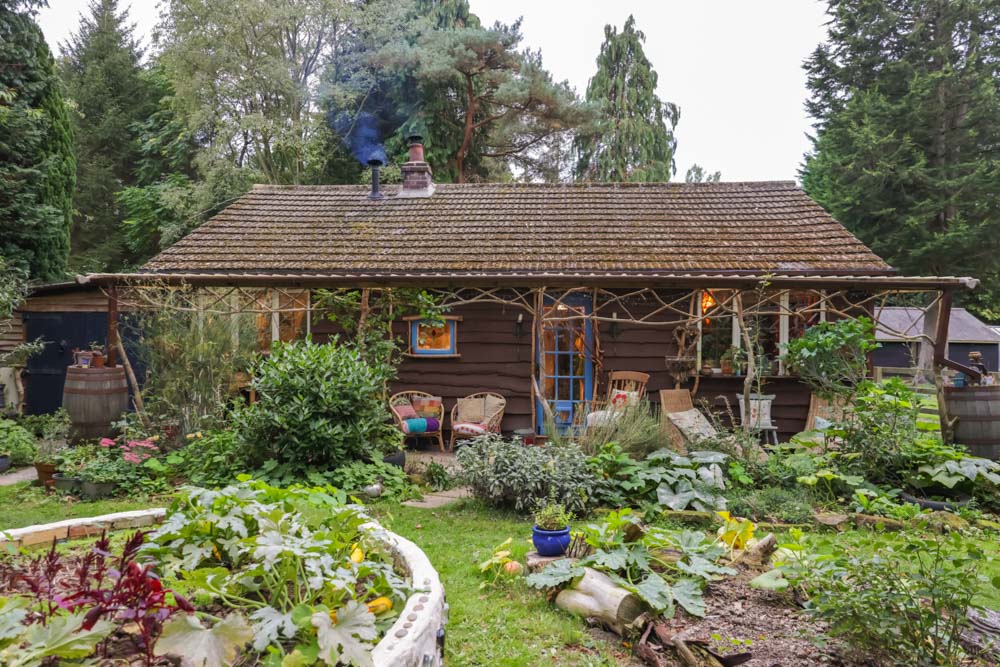
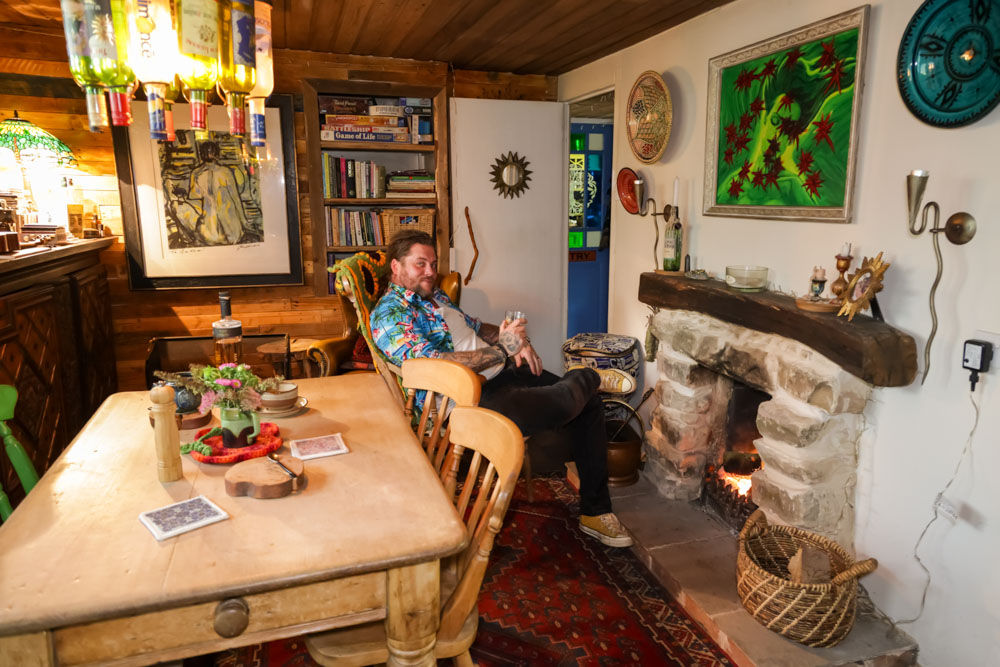
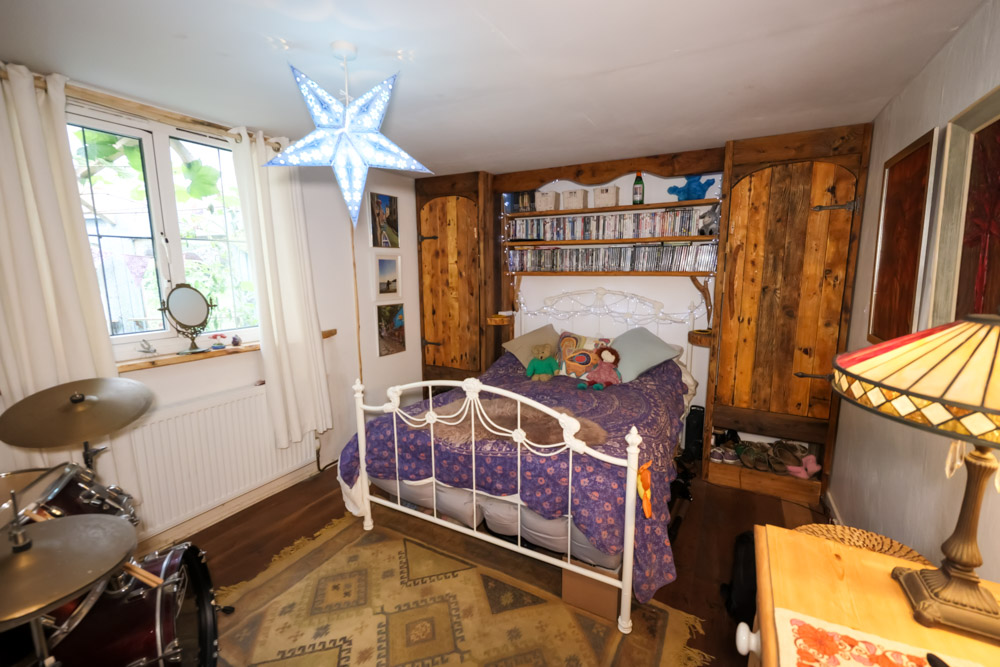
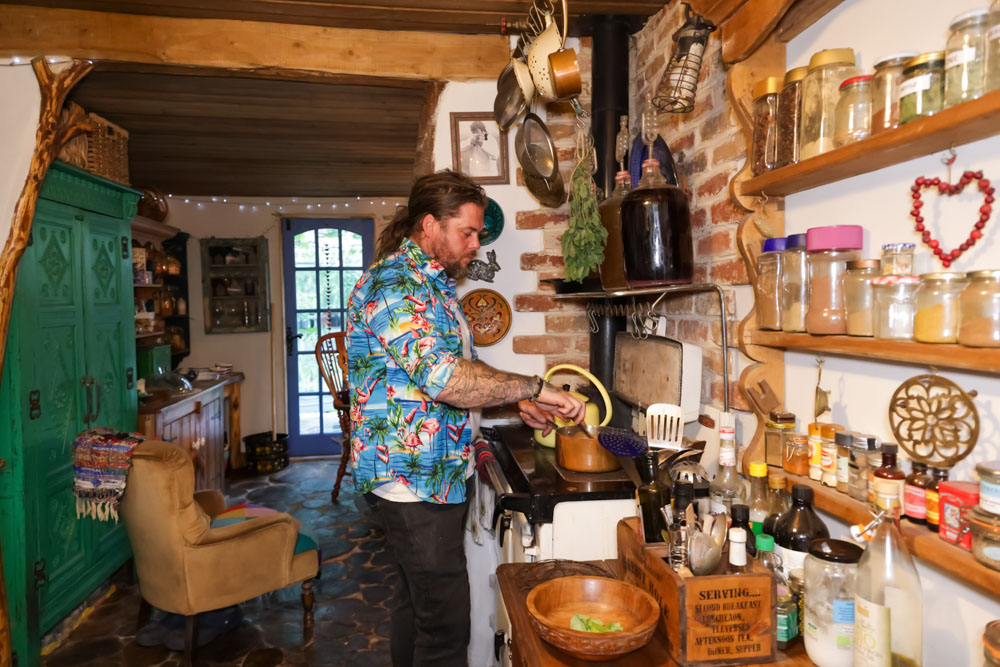
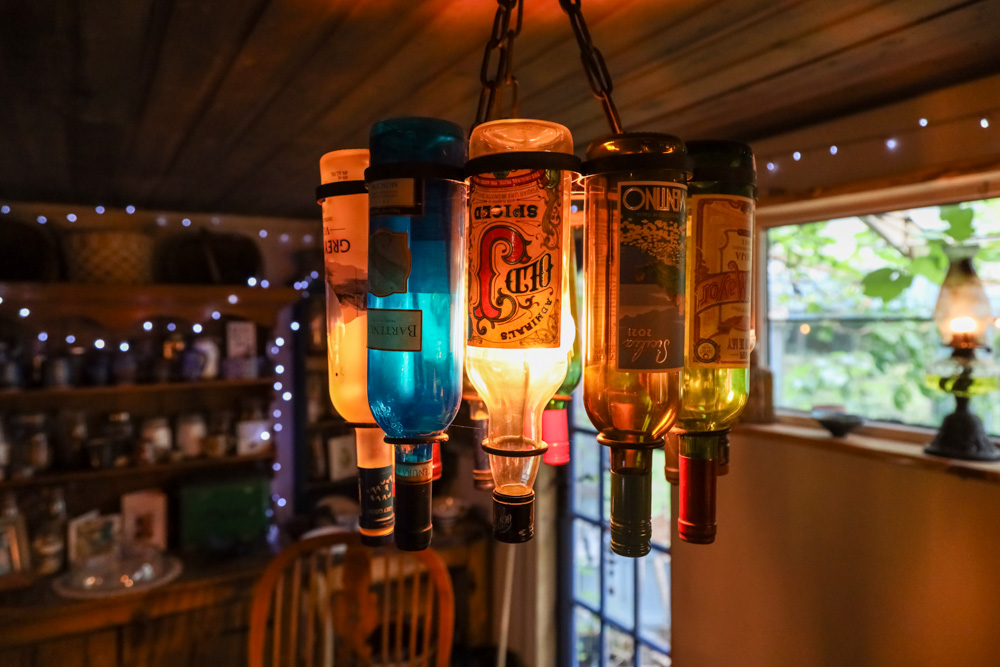
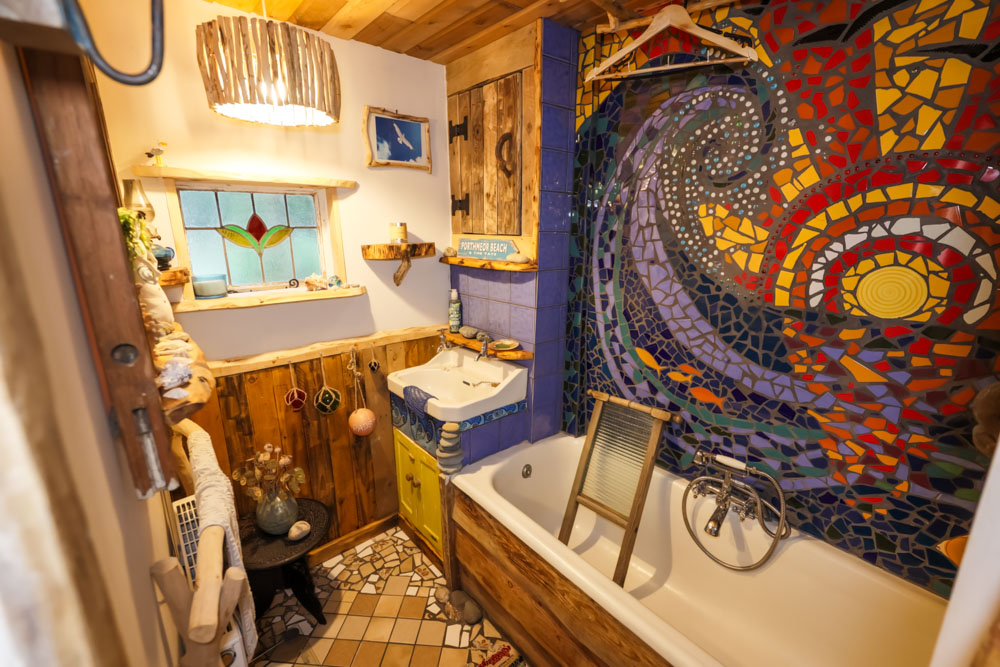
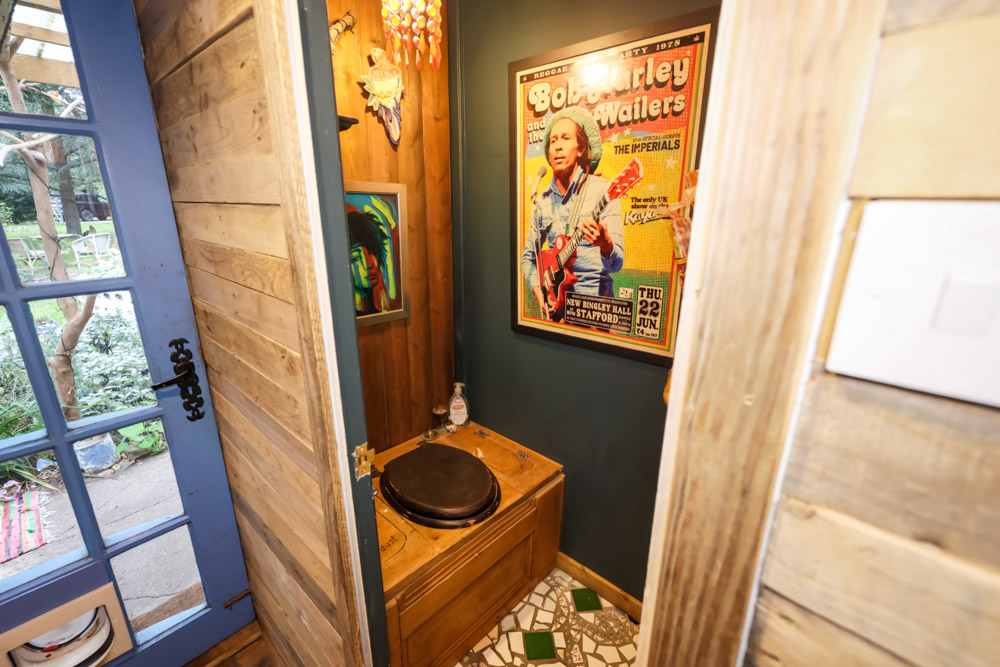
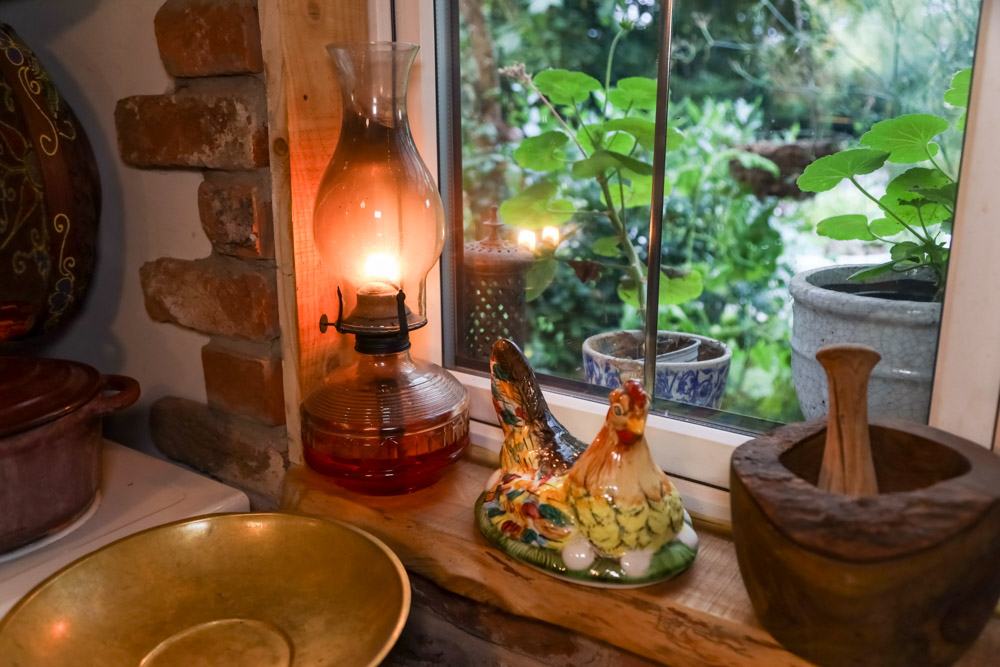
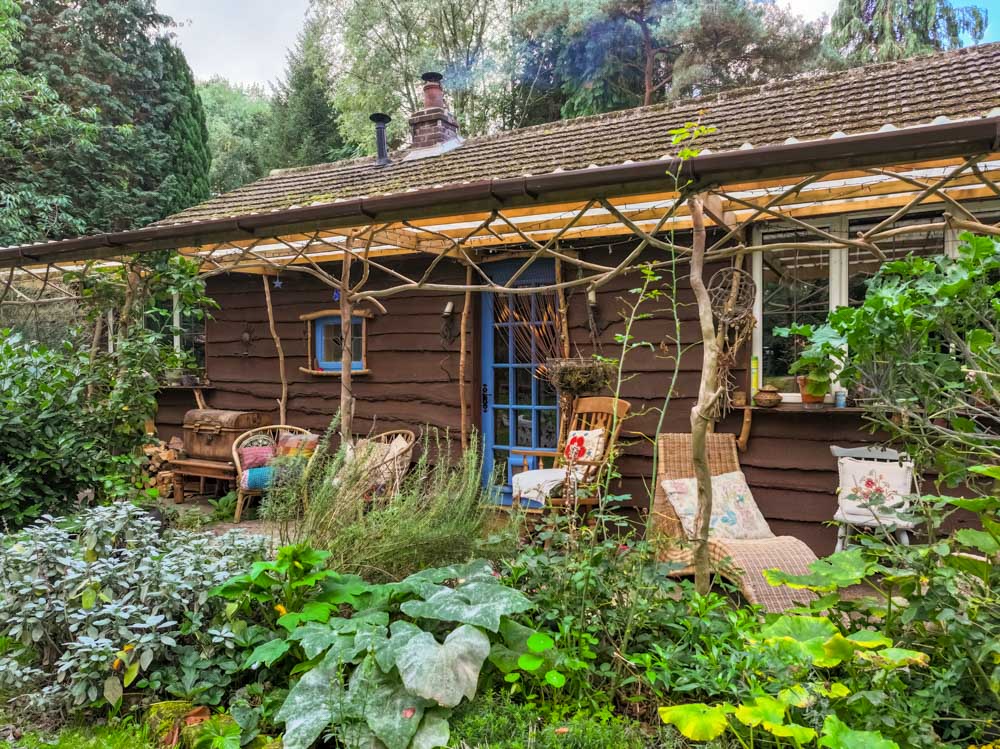
When you look at John’s home now, you need to search for the clues that hint at its origins. The prefab bones are still there beneath the surface, but they rest under layers of thoughtful renovation and handmade detail. The home feels more like a storybook cottage, softened with texture, colour and the gentle touches of someone who takes pride in a lived in space. The original dimensions still guide the shape of the home, yet the feeling inside has been completely transformed. What was once temporary now feels rooted, welcoming and full of personality.
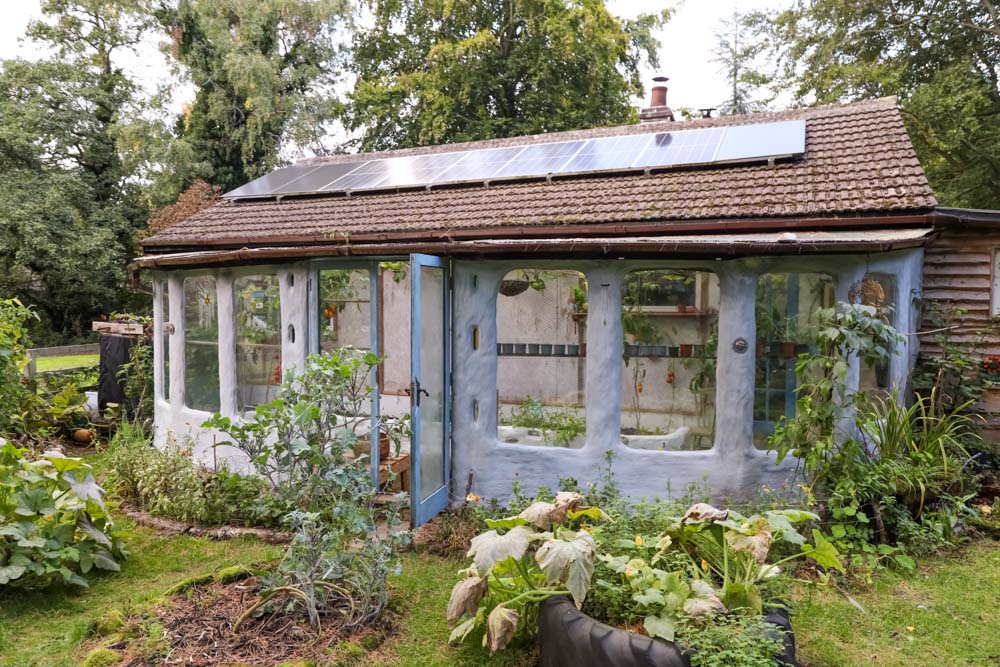
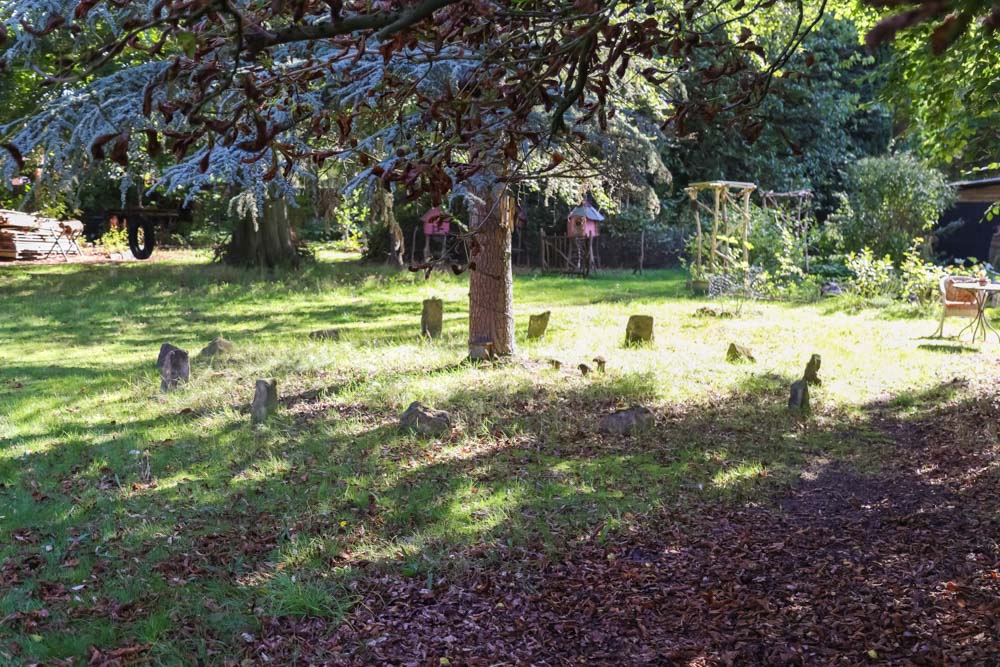
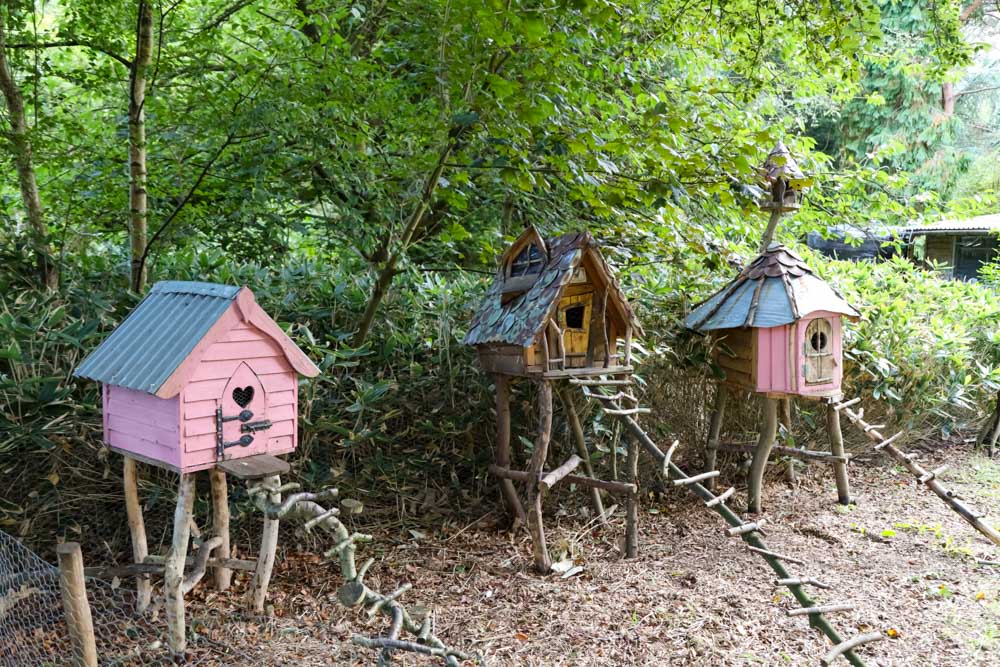
The property surrounding the home adds another layer to its story. John and his wife have created a flourishing garden that provides an abundant source of fresh food. Vegetables, fruit trees, herbs and flowers grow in generous beds that have clearly been tended with care. This is more than a garden. It is a small scale homestead that supports much of their daily life. The connection to the land becomes even more apparent through the greenhouse that links directly to the home. Built with limecrete, it brings a natural, earthy aesthetic that blends beautifully with the cottage style renovation. It is a space where plants begin their journey and where produce is gathered before being taken indoors.
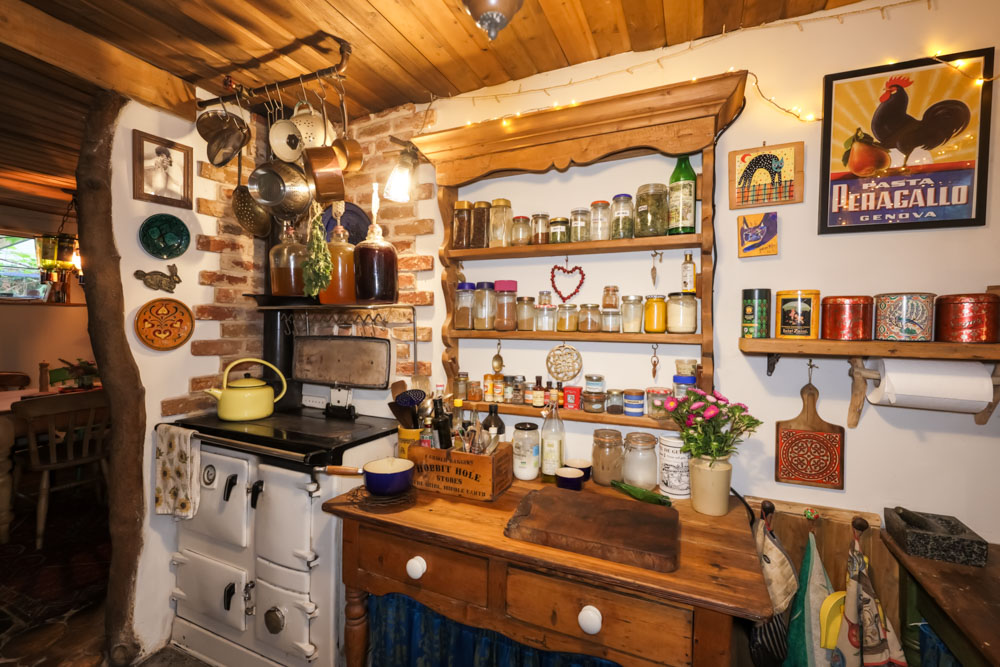
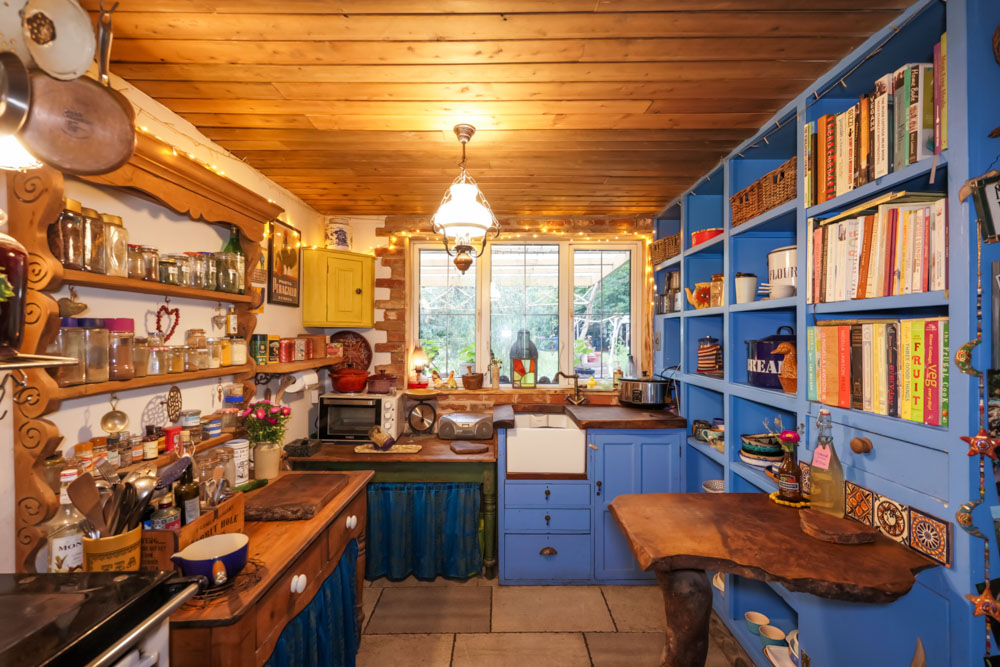
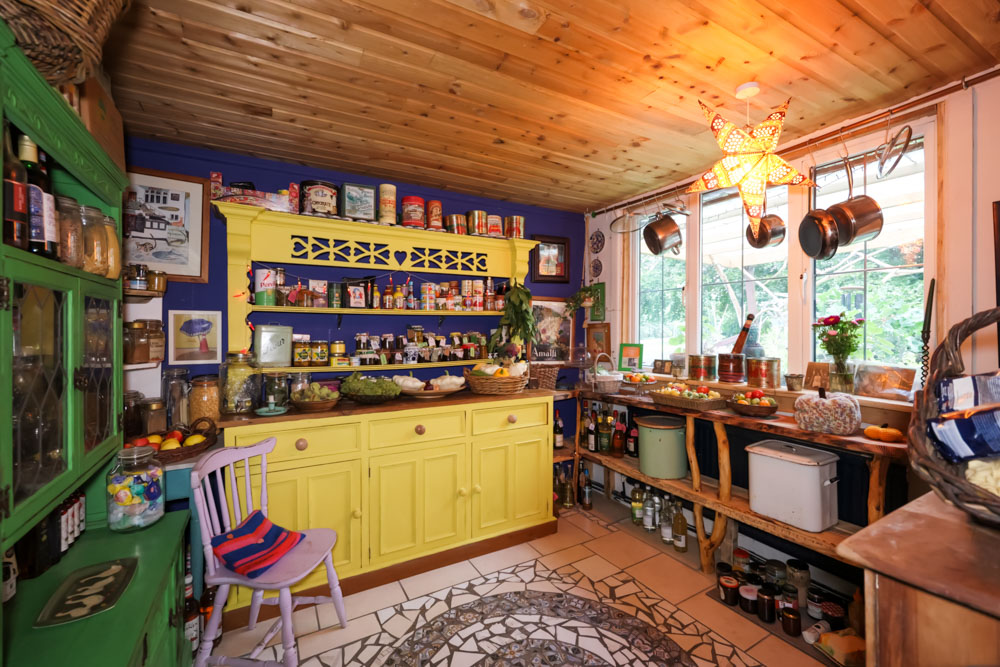
Inside the home, one of the most surprising features is a large pantry room that has been dedicated entirely to food storage. Shelves line the walls from floor to ceiling, filled with jars of preserves, ferments, dried goods and homemade brews. It may be one of the largest pantries we have ever seen in a tiny home. This room reflects a lifestyle built around preparation and resilience. It holds the harvest of the garden outside and captures the rhythm of the seasons in every jar.
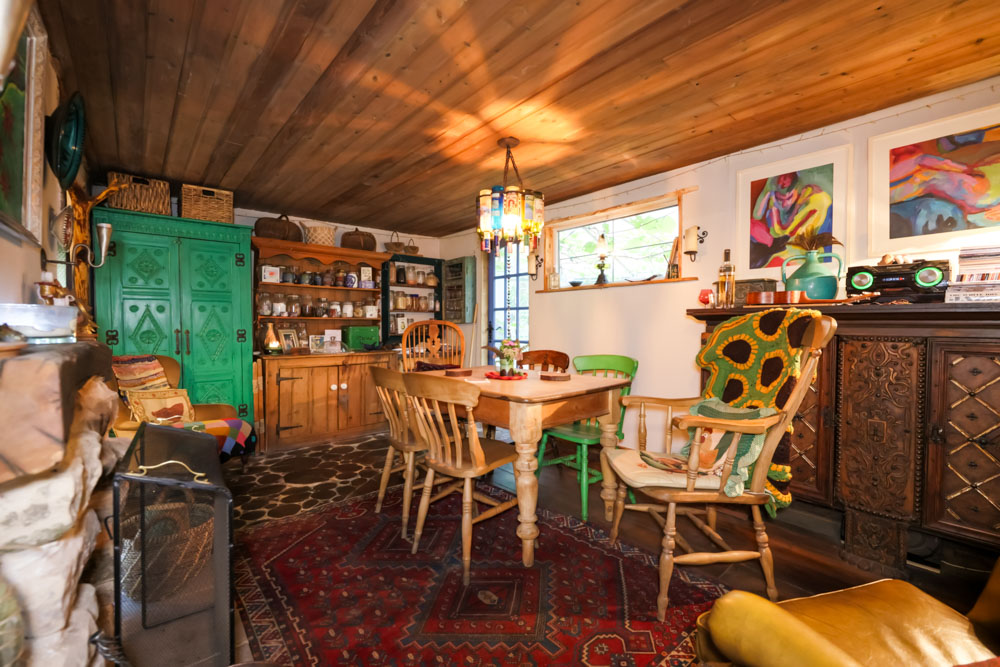
The home operates off grid, powered by solar energy and supplied with collected rainwater. Together with the gardens, the greenhouse and the pantry, these elements create a lifestyle that values self sufficiency, simplicity and a gentle footprint on the land. The home that once served families during one of the hardest chapters in modern history now offers sanctuary and abundance in a completely new way.
There is a quiet beauty in seeing a structure like this carried into the future with such care. John and his wife have not overwritten the past. They have built upon it. Their cottage is a place where history and creativity meet, where resilience becomes comfort and where a simple prefab house has found a new purpose. This home shows that even the most modest beginnings can grow into something extraordinary when shaped with patience and imagination.